Data center construction starts with a power deal, not a drawing. Utilities, substations and fiber routes pick the site before any sketch exists. The design then locks to a redundancy level, often on the Uptime Institute tier scale. The tier sets how much spare power and cooling the building must hold. Berkeley Lab tracks the demand side, and its researchers report rapid growth in electricity needs from data centers. Each new megawatt of demand becomes a construction schedule somewhere.
The schedule is the hard part. Shells rise fast, while transformers and switchgear arrive slowly. Data center construction lives and dies on those lead times, and the industry now orders major gear years ahead of need. We covered a connected angle in Data Center Security From the Fence Line to the Rack.
Data Center Construction Starts With Power
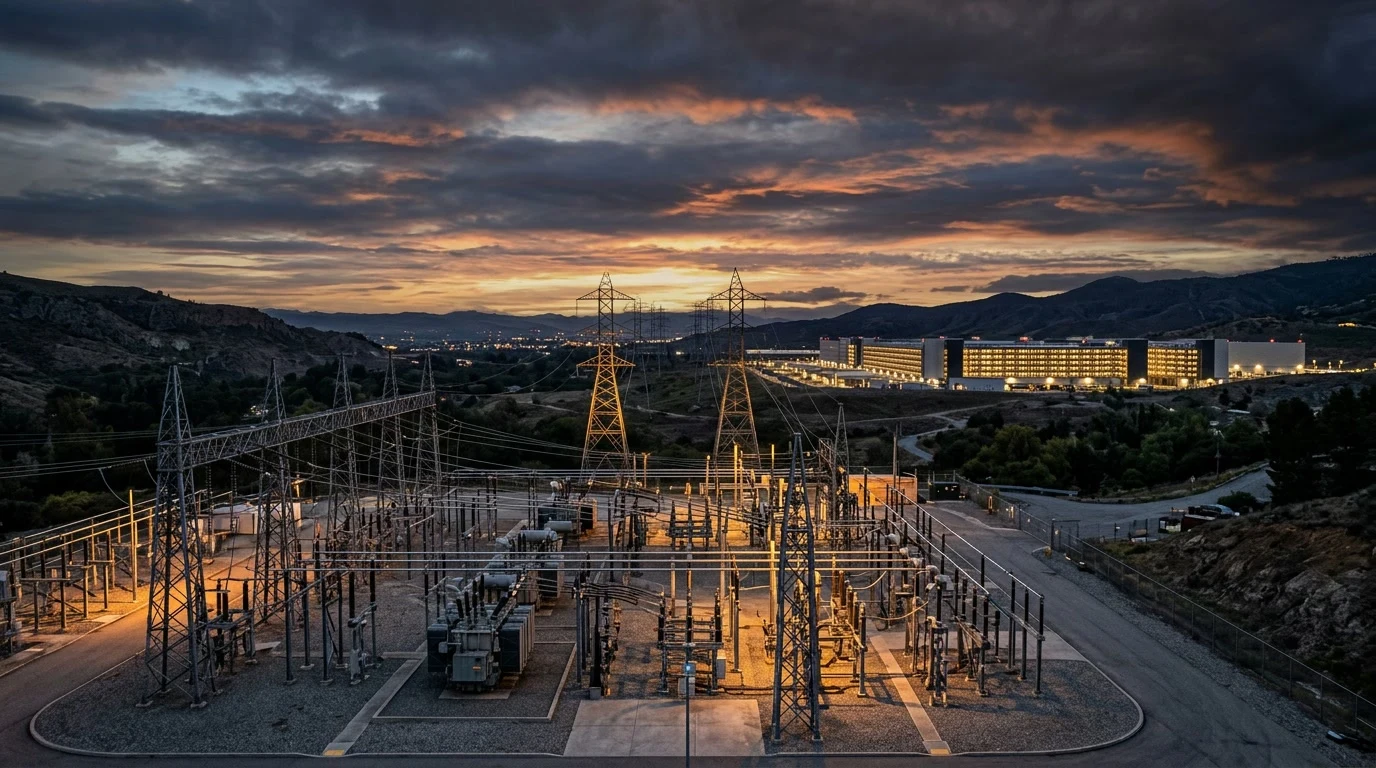
Power comes first in every sense. A campus needs a utility feed sized for its final build, plus substations on site. Developers sign electric service agreements before closing on land, because acreage without megawatts is just acreage. Fiber follows power. Two or more diverse routes set the resale value of the whole project.
The tier target shapes the electrical room early. The Uptime Institute defines four progressive levels. Each level adds capacity for maintenance and faults. A site seeking a high tier doubles feeds, generators and chillers at design time. Retrofitting later costs far more than spare bays built in from day one.
The Build Sequence, Shell to Fit-Out
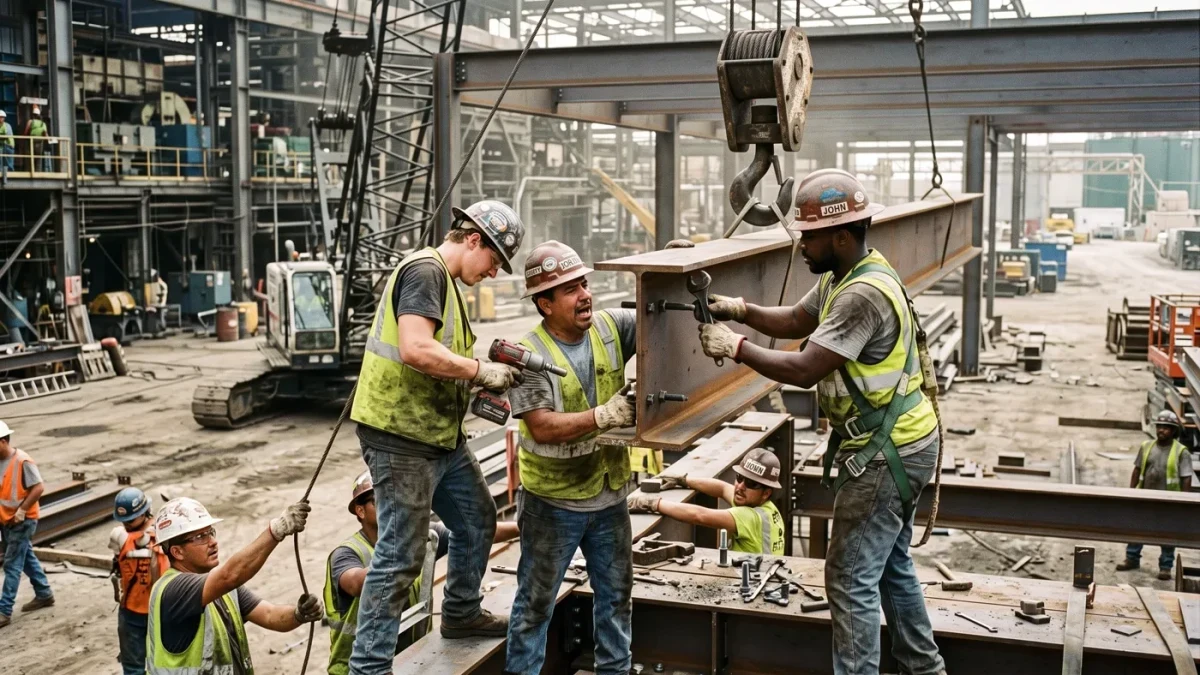
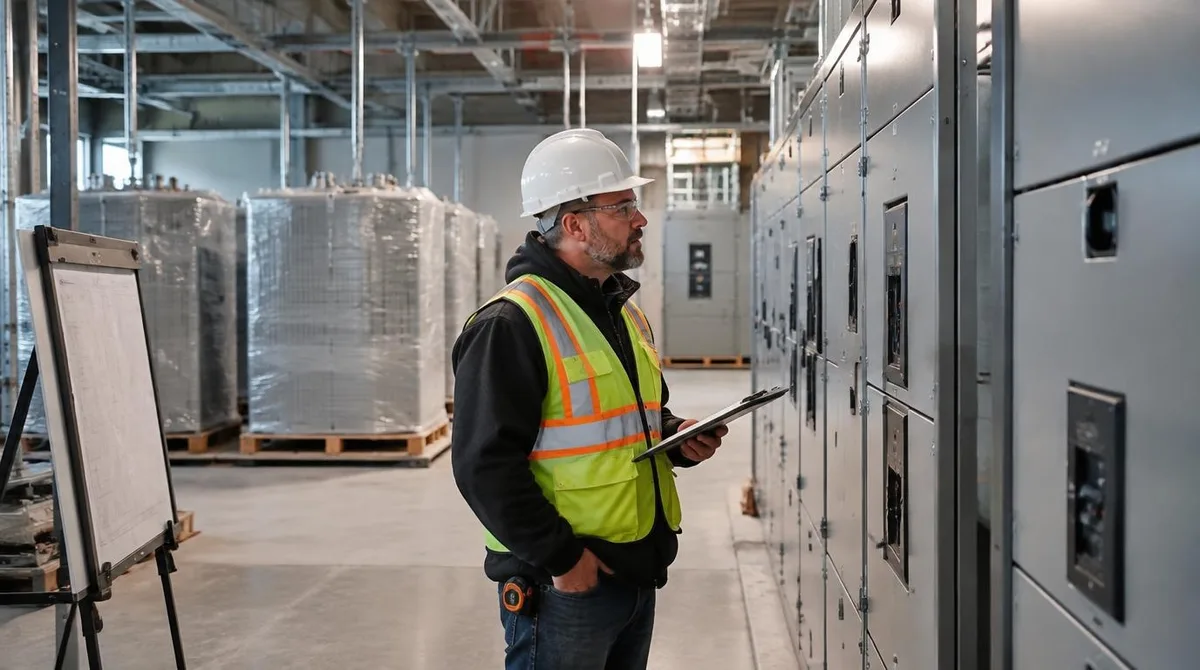
The shell goes up like any steel box, minus the windows. Fit-out is where the building becomes a data center. Crews set switchgear, uninterruptible power supplies, batteries and generators. Mechanical teams hang chillers, pumps and air handlers. Cable tray runs above everything, in tidy rows that future technicians will bless or curse. Readers following this should also see The Data Center Technician: Role, Shifts and Career Path.
Commissioning closes the build. Test scripts push the plant through staged load banks and staged failures. Teams pull utility power on purpose and watch the generators catch the hall. Only after those level tests pass do tenant racks enter the floor.
Cooling Choices and the Grid
Cooling design splits the industry. Air cooling through raised floors still serves most halls. Liquid cooling spreads as chip density climbs, moving heat away in loops instead of air streams. Berkeley Lab hosts Energy Department tools that model both paths, and designers run those models before pouring concrete.
Water and grid limits now shape plans too. Some metros cap new connections, and drought regions ask hard questions about evaporative cooling. Developers answer with reuse plans, air-side economizers and, in some markets, on-site generation. The grid conversation has become a construction conversation, and it starts at the permit table.
Labor feeds the schedule as well. Electricians skilled in medium voltage remain scarce, and traveling crews book out quarters ahead. Owners now budget training time on site, because a bad terminations day can idle a hall for weeks. The trades, not the software, set the critical path.
Timelines, Permits and Neighbors
A hyperscale campus runs roughly two to three years from land to first load, and utility queues can extend that. Local review adds months, and community pushback adds more. Loudoun County, the largest cluster, counted nine million square feet of data center space back in 2015, and growth there has continued since. Neighbors now ask about noise, water and viewsheds, and hearings run long.
Permit strategy adapted. Owners file in phases, pre-order long-lead gear and build shells ahead of tenants. The gamble strands cash when demand shifts, and the 2020s demand curve has rewarded it so far.
Conclusion: The Megawatt Test
Judge any project by two numbers on one line: the energization date and the commissioned megawatts behind it. Announcements count shells; utilities count load. A campus with an energization letter and a commissioning report has capacity. Anything else is a field with a fence and a rendering.