The SaaS apocalypse is the thesis that AI agents end per seat software. Agents read and write business data directly, the case runs. The app layer between people and databases collapses, and seat licenses collapse with it. The claim traces to Microsoft's chief executive. On the Bg2 Pod, he called business apps CRUD databases wrapped in logic. The market then supplied the drama.
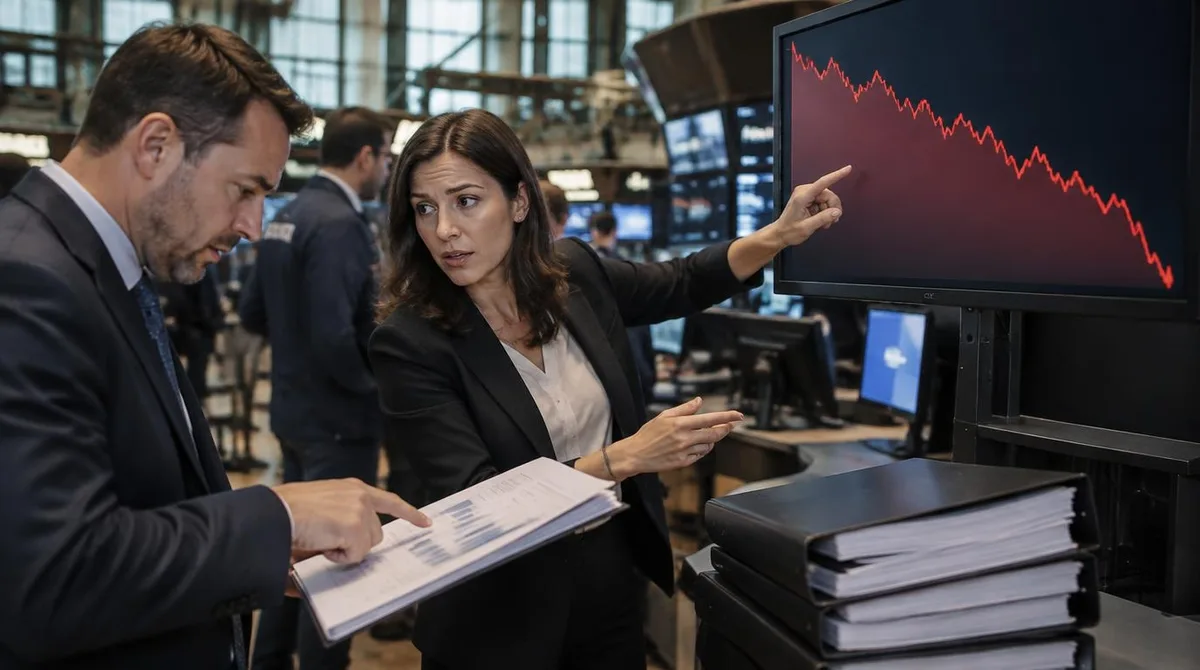
The money moved before the argument finished. In early 2026, over a trillion dollars in software value vanished inside seven trading days. The figure comes from one widely read recap of the drawdown. The iShares software ETF had already fallen about thirty percent from its September 2025 peak. Both sides of the trade deserve a hearing here, with no verdict attached. We covered a connected angle in What a SaaS SEO Agency Actually Delivers Before Signing.
The Case for the SaaS Apocalypse
The bear case starts with pricing structure. Seat revenue was, in effect, a toll on headcount. Each hire needed a login, and each login carried a fee. When one agent does the work of several seats, the vendor loses each displaced seat outright.
Skill curves feed the same case. Autonomous task power has doubled roughly every seven months, per research cited in that recap. Attach rates feed it too. Press reports count only a small share of Microsoft 365 seats paying for Copilot. The figure reads as weak demand for per seat AI add ons.
Cost logic sharpens the point. An agent that handles routine tickets costs pennies per task at scale, against a seat priced like a salary. Buyers need no doctrine to do that math. They need only a quote and a queue.
The Data the Argument Cites
The numbers come from three buckets. Markets: the drawdown itself, the ETF slide, and software multiples pressed to multi year lows. Forecasts: Gartner calls, cited in trade press. They put forty percent of enterprise apps on agents by the end of 2026. Behavior: Klarna's public retreat from an AI first service model after quality slipped. For related coverage, see SaaS Marketing in Practice: The Funnel, the Loop, the Numbers.
Each number carries a case inside it. A drawdown tracks fear, not revenue. An attach rate tracks one vendor's pricing, not the fate of a category. The SaaS apocalypse case leans on all three anyway, which is the other side's favorite complaint.
European coverage tells the same story on another index, with software market value down roughly 1.7 trillion euros since late 2025. One vendor already posts public per resolution pricing for its support agent. The data points in one direction, and the argument supplies the direction.
The Rebuttal from the Incumbents
The rebuttal starts at the top of the market. Salesforce's chief mocked the panic on an earnings call in February 2026. The SaaSpocalypse, he joked, may be eaten by the SaaS-quatch. Under the joke sat a real claim. Software just got better with agents, he argued, and demand followed.
The pricing rebuttal is more technical. Box's chief argues that agents will consume software through interfaces, not replace it. Billing shifts from seats toward usage and outcome terms. Analysts at diginomica walk the same path. On every model they chart, a software vendor stays in the loop.
Salesforce's own agent product gets cited by both camps. It passed $800 million in annual recurring revenue on 29,000 deals, per the recap. Bulls read proof of demand. Bears read a rounding error next to the seat revenue at risk.
What Both Sides Concede
Two facts survive the fight. Seat only pricing is under real strain, and every major vendor is trying usage and outcome terms. Salesforce already sells a flat rate agentic deal, per trade press. Beyond those points the camps split into calls, and calls are positions, not data.
Conclusion: The Signal Worth Tracking
No verdict closes this file, and none should yet. Two prints will decide it. Watch net revenue retention at the major vendors. Then watch the share of new revenue sold on usage rather than seats. When those lines move together across several quarters, the debate ends. Until then the SaaS apocalypse stays what it is today: a live fight with serious data on both sides.